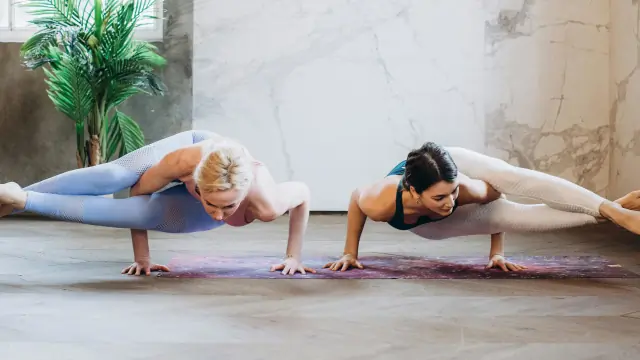
Beyond the Basics: Taking Your Balance to the Next Level
You can stand on one foot just fine, but real balance mastery means moving with control and exploring your edges.
Lees meer…

If you’re serious about deepening your practice, eventually you need to confront the traditional morning routine. Not the 7am class after your coffee and breakfast. We’re talking about waking before sunrise, scraping your tongue, drinking warm water, and being on your mat as the sun comes up with nothing in your stomach. This isn’t romantic nostalgia for ancient India. These practices exist because they work, and once you experience the difference, you’ll understand why dedicated practitioners structure their entire lives around this rhythm.
The empty stomach matters more than most people realize. When you practice with food in your system, a significant portion of your blood flow and energy goes toward digestion. Your body is literally busy with something else. An empty stomach means all your resources are available for practice. Twists go deeper without nausea. Inversions feel lighter. Your breath moves more freely without a full belly restricting your diaphragm. Beyond the physical mechanics, there’s a mental clarity that comes with fasted practice. Your awareness is sharper. Your focus doesn’t waver. The difference is stark once you experience it.
Waking early isn’t about suffering or proving your dedication. The pre-dawn hours have a quality of stillness that doesn’t exist later in the day. The world is quiet. Your mind hasn’t been bombarded with information yet. You haven’t checked your phone or spoken to anyone or let the day’s demands infiltrate your consciousness. This mental silence is rare and valuable. When you practice in this state, you’re working with a clear slate instead of trying to quiet down an already activated mind.
The tongue scraping and warm water routine prepares your system properly. During sleep, your body processes and eliminates toxins, many of which coat your tongue overnight. Scraping removes this buildup. The warm water hydrates you and gently wakes up your digestive system without shocking it. These small rituals signal to your body that you’re transitioning from sleep to practice. They’re functional, not ceremonial, though the consistency of the ritual does create a psychological anchor.
Sun salutations at actual sunrise connect your practice to something bigger than yourself. You’re syncing your movement with a celestial event that’s been happening since before humans existed. There’s something humbling and grounding about that. Plus, the light quality at sunrise affects your nervous system differently than artificial light or midday sun. It helps regulate your circadian rhythm, which improves your sleep quality, which makes waking early easier. It’s a virtuous cycle once you establish it.
The hardest part is the first two weeks. Your body will resist the early wake-up. You’ll feel tired. You’ll question whether it’s worth it. Push through this adaptation period. Set your alarm for the same time every day, even weekends. Go to bed early enough to get adequate sleep. After about ten days, your body adjusts. You’ll start waking naturally before your alarm. The grogginess disappears. What felt like torture becomes the best part of your day.
This level of commitment isn’t for everyone, and that’s fine. Casual practice has value. But if you’re ready to go deeper, if you want to experience what yoga can really do, this is the framework that’s worked for thousands of years. The traditional morning routine isn’t about following rules. It’s about creating optimal conditions for transformation. Try it consistently for a month and see what shifts.
You can stand on one foot just fine, but real balance mastery means moving with control and exploring your edges.
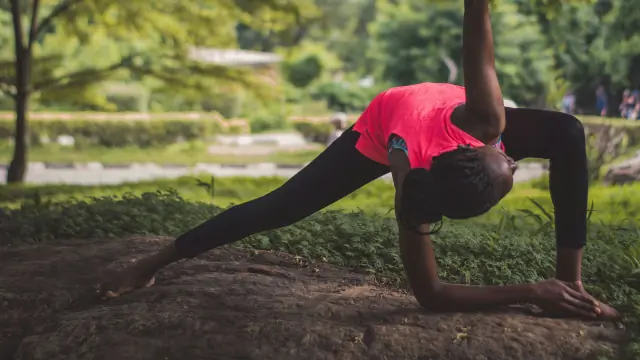
If you’re already fit but tight from running, lifting, or cycling, your yoga practice needs a different focus than most classes offer.

An injury doesn’t mean stopping yoga entirely, but it does mean getting smarter about what you do and don’t do on the mat.