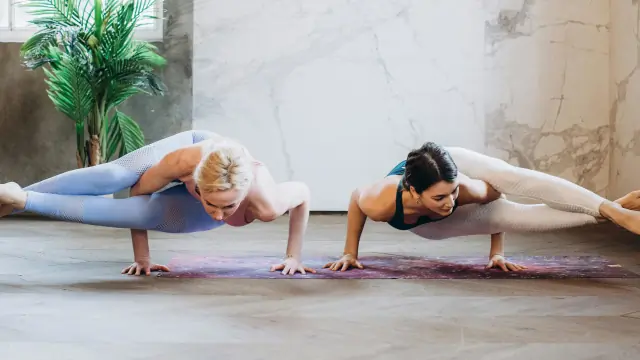
Beyond the Basics: Taking Your Balance to the Next Level
You can stand on one foot just fine, but real balance mastery means moving with control and exploring your edges.
Lees meer…
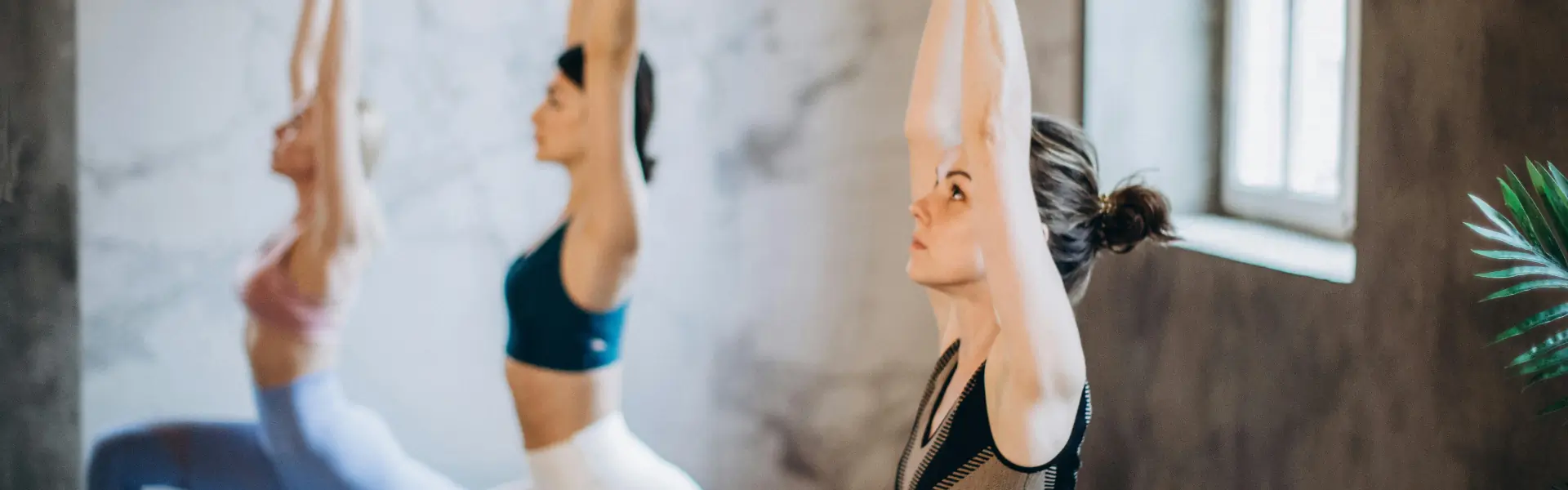
Most yoga classes move too quickly to create lasting flexibility changes. You flow through a pose, feel a stretch, then move on before anything meaningful happens in your tissues. Real flexibility work requires patience and time. We’re talking three to five minute holds in passive positions where you’re not using muscular effort, just gravity and time to gradually open up your body.
This approach comes from yin yoga, and it works differently than active stretching. When you hold a passive stretch for several minutes, you’re not just affecting your muscles. You’re affecting your fascia, the connective tissue that wraps around everything in your body. Fascia is plastic, meaning it can reshape itself, but it needs sustained, gentle pressure over time. Quick stretches don’t reach it. Long holds do.
Here’s what a session might look like: pick three or four poses like seated forward fold, pigeon, reclined twist, and butterfly. Set a timer for four minutes. Get into the first pose, find a position where you feel moderate sensation (not intense pain), and then stay there. Don’t fidget. Don’t adjust constantly. Just breathe and wait. The first two minutes will feel endless. After that, something shifts and time starts moving normally again.
Your breath is your anchor during long holds. Count your inhales and exhales. Notice the quality of your breathing. When your mind wanders (and it will), come back to the breath. This isn’t just flexibility training. It’s meditation with a physical component. The mental challenge of staying still is often harder than the physical sensation of the stretch.
Use props liberally. A bolster under your chest in a forward fold, a block under your hip in pigeon, a blanket under your knee in any kneeling pose. Props aren’t cheating. They allow you to relax completely into the stretch instead of using muscle to hold yourself up. Remember, we want passive here. If you’re working muscularly, you’re doing it wrong.
You’ll feel sensations change during the hold. The first minute might feel tight and resistant. By minute three, things often soften noticeably. Sometimes you can sink an inch or two deeper without any additional effort. That’s your nervous system deciding the stretch is safe and your fascia beginning to yield. This is why duration matters. The adaptations happen after the initial resistance phase.
Don’t practice this way every day. Twice a week is enough for most people. Your body needs time to adapt to the changes you’re creating. More isn’t always better. Consistency over months is what creates transformation, not heroic efforts that leave you sore for a week.
Give yourself at least eight weeks of regular practice before judging whether this works. Flexibility changes happen slowly, especially if you’re working with long-standing tightness. But if you commit to the process, you’ll be amazed at what opens up.
You can stand on one foot just fine, but real balance mastery means moving with control and exploring your edges.
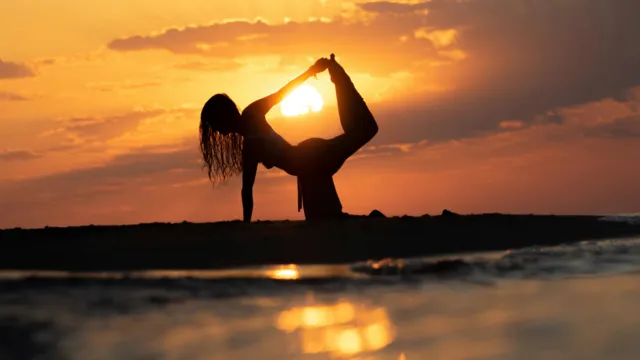
There’s a reason ancient yogis practiced at sunrise on an empty stomach, and it has nothing to do with tradition for tradition’s sake.
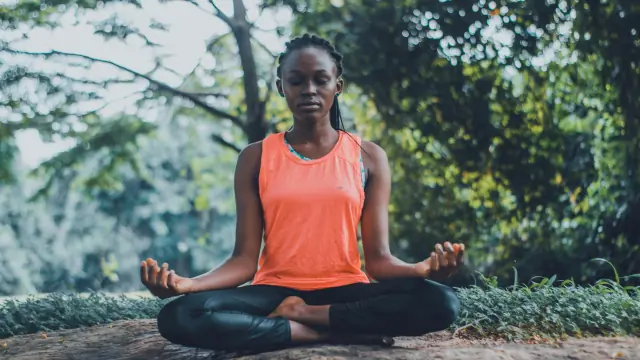
Learning to breathe properly during yoga will transform your practice more than nailing that complicated pose ever will.