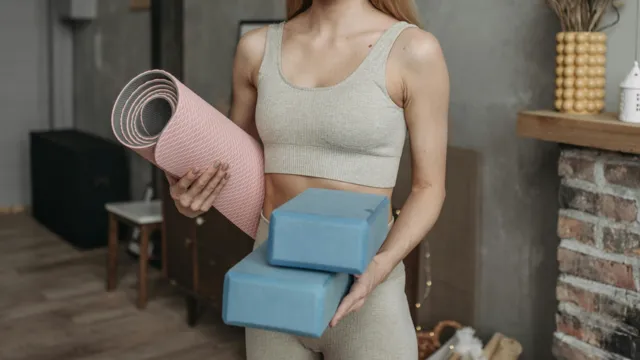
Understanding Props and When to Actually Use Them
Props aren’t training wheels for beginners, they’re tools that make your practice more effective when used correctly.
Lees meer…
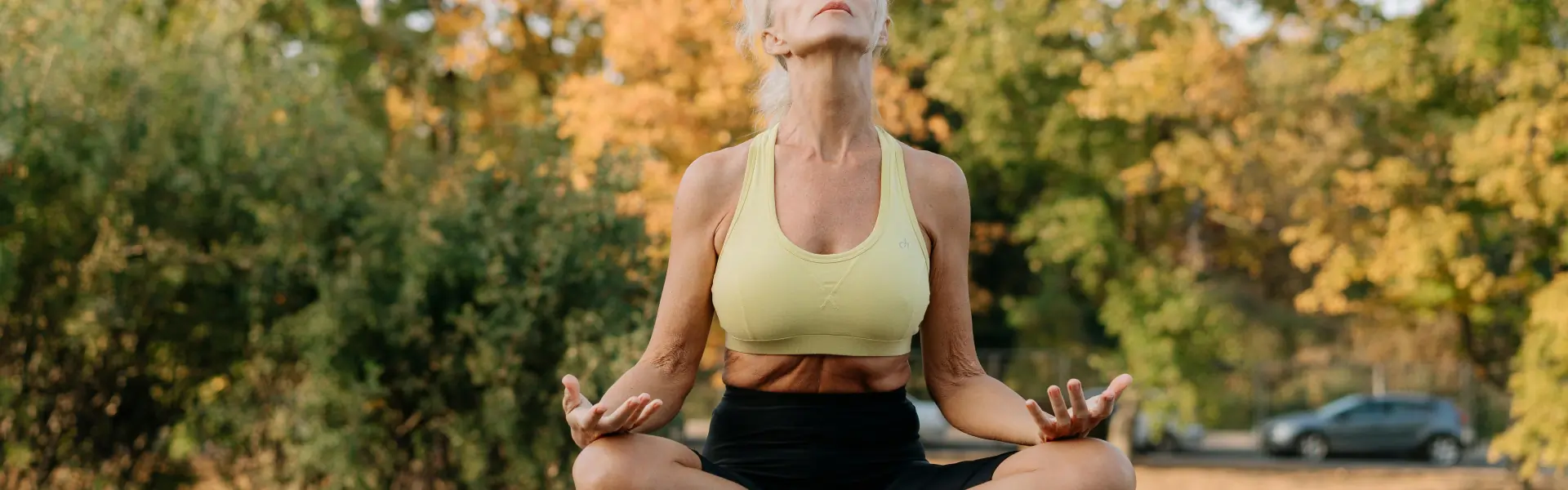
Classes give you external structure. Someone tells you what to do, when to do it, and how long to hold it. At home, all of that disappears and suddenly you’re staring at your mat with no idea where to start. This paralysis keeps people dependent on classes forever. But home practice isn’t about recreating a full class experience. It’s about knowing enough structure to guide yourself through something coherent.
Start with a basic template that works every time. Warmup, standing poses, floor work, cooldown. That’s it. Five minutes of gentle movement to wake up your body. Fifteen minutes of standing sequences. Ten minutes on the floor for core, hips, or backbends. Five minutes of stretching and savasana. This 35-minute structure covers everything and you can adjust the time blocks based on what you have available.
Sun salutations are your warmup and your foundation. Do three to five rounds to start every practice. They get your blood moving, warm up major muscle groups, and give you a movement meditation to settle into your practice. Once you know sun salutations well enough to do them without thinking, you have a reliable way to begin any session.
Standing sequences don’t need to be complicated. Pick three poses and flow between them. Warrior one, warrior two, triangle. Or warrior two, side angle, half moon. Stay in each pose for five breaths, then transition smoothly to the next. Do the sequence on one side, then repeat on the other. This gives you balance work, leg strength, and hip opening without needing to choreograph some elaborate flow.
Floor work is where you address whatever needs attention. Tight hips? Pigeon, butterfly, and low lunges. Need core strength? Boat pose variations and planks. Want backbends? Bridge, cobra, and locust. Pick two or three poses and spend a few minutes on each. You’re not trying to do everything. You’re targeting what matters for your body that day.
Cooldown is non-negotiable. Supine twists, happy baby, legs up the wall, anything that brings your heart rate down and prepares you for savasana. Then lie flat for at least three minutes in savasana. No music, no movement, just stillness. This is where your nervous system integrates the practice. Skip it and you’re missing half the benefit.
The hardest part is just starting without someone telling you what to do. Set a timer if you need external structure. Put on music that matches the energy you want. Keep it short at first. Twenty minutes of focused home practice beats skipping it because you think you need a full hour. Consistency matters more than duration.
You don’t need to replicate your favorite teacher’s class. You need to move your body intelligently and breathe. That’s the core of yoga. Everything else is decoration. Trust yourself to know what your body needs and build from there.
Props aren’t training wheels for beginners, they’re tools that make your practice more effective when used correctly.
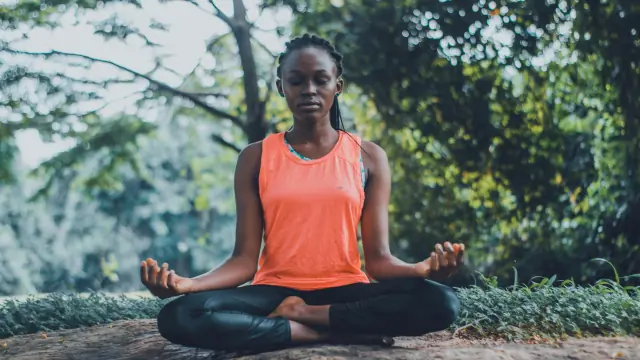
Learning to breathe properly during yoga will transform your practice more than nailing that complicated pose ever will.
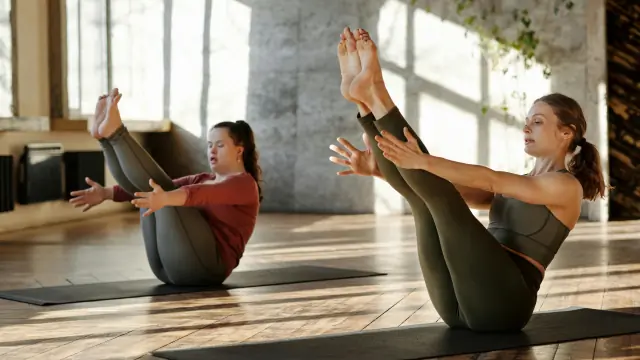
If you think balance means not wobbling, you’re missing the point entirely.