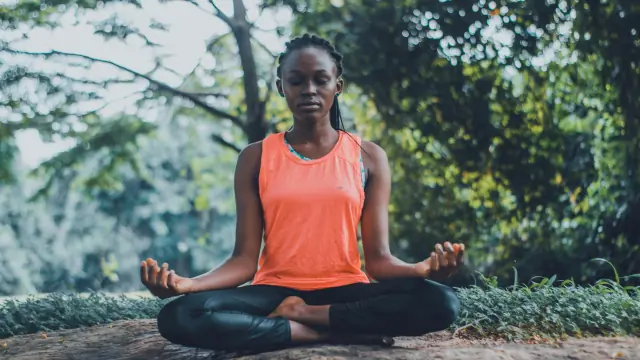
Why Your Breath Matters More Than Perfect Poses
Learning to breathe properly during yoga will transform your practice more than nailing that complicated pose ever will.
Lees meer…
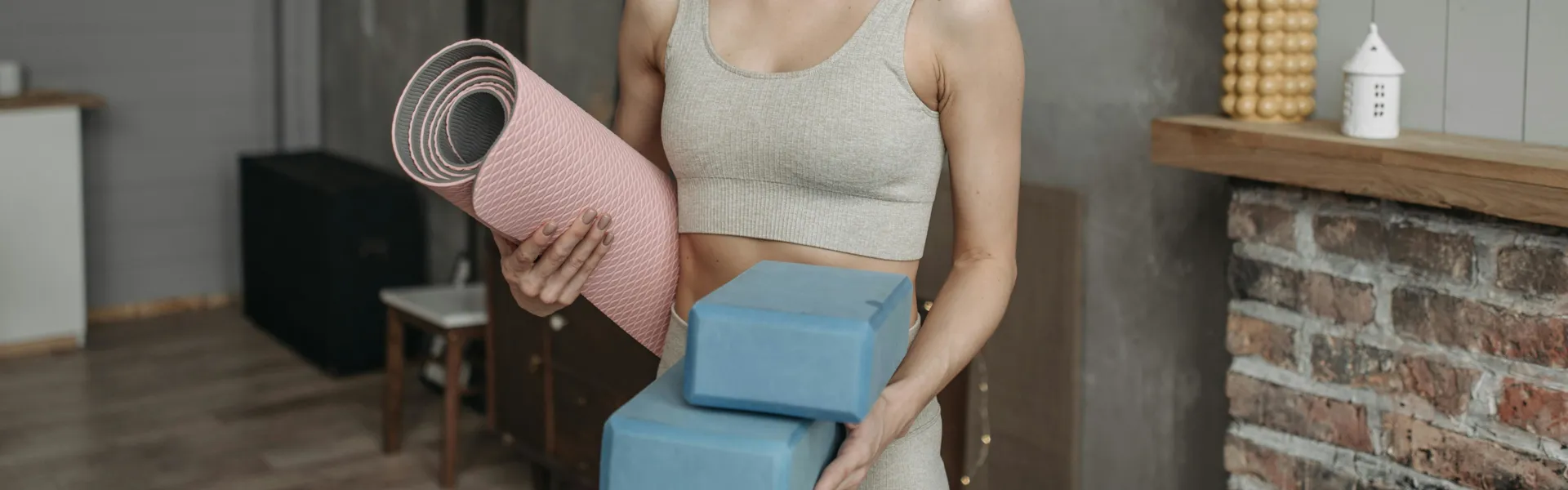
Most people’s relationship with yoga props is broken. Beginners avoid them because they think props mean they’re not good enough. Experienced practitioners ignore them because they’ve moved past needing help. Both groups are missing the point. Props aren’t about making things easier or harder. They’re about accessing positions and sensations that your body can’t reach on its own yet, or about making certain work more effective and sustainable.
Blocks are the most versatile and most misunderstood prop. The common use is bringing the floor closer in poses like triangle or half moon when you can’t reach. That’s fine, but it’s the least interesting application. Blocks are better used to create active engagement. Put a block between your thighs in bridge pose and squeeze it. You’ve just turned a passive backbend into serious inner thigh and pelvic floor work. Put a block under your sacrum in supported bridge and you’ve created a restorative pose that opens your hip flexors. Same prop, completely different purposes.
Straps extend your reach, but more importantly they provide feedback about alignment. Wrap a strap around your upper arms in dolphin pose or downward dog. Set the width to shoulders-distance and practice keeping tension on the strap. You’re training your arms to stay parallel instead of splaying out. This proprioceptive feedback is more valuable than the teacher telling you to keep your arms straight. Your body learns the correct position through feeling it, not just hearing about it.
Bolsters are for restorative work and anyone who thinks that’s not real yoga hasn’t held a supported fish pose for five minutes. A bolster under your spine in reclined positions allows you to open your chest and shoulders completely without any muscular effort. This is where the deep fascial release happens. It’s also where you learn what true relaxation feels like, which most people never actually experience even in savasana. If you practice hard regularly, restorative sessions with bolsters aren’t optional. They’re necessary for recovery.
Blankets seem basic but they solve specific problems. Folded under your sit bones in seated poses, they tilt your pelvis forward and make it easier to keep your spine long. Under your knees in supine poses, they take pressure off your lower back. Under your head in savasana, they prevent your chin from lifting and your neck from straining. These are small adjustments but they’re the difference between fighting your body and working with it.
The key question is not whether you need props but what you’re trying to achieve in a given pose. If the goal is building strength, props might reduce the challenge too much. If the goal is accessing a deeper stretch, props might be essential. If you’re working on alignment, props provide feedback. If you’re doing restorative work, props allow complete relaxation. Match the tool to the purpose.
Here’s when you should definitely use props: when you’re compensating with poor alignment to reach a position, when you’re using momentum instead of control, when you can’t breathe steadily in a pose, when you’re recovering from injury, or when you’re doing longer holds and need to eliminate unnecessary muscular effort. Props fill the gap between where your body is and where the pose requires you to be without forcing or straining.
Stop thinking of props as remedial equipment. They’re precision tools that give you access to aspects of poses you’d miss otherwise. A skilled practitioner knows exactly when and how to use them. An unskilled one avoids them out of ego or uses them randomly without understanding why. Figure out which category you’re in and adjust accordingly.
Learning to breathe properly during yoga will transform your practice more than nailing that complicated pose ever will.
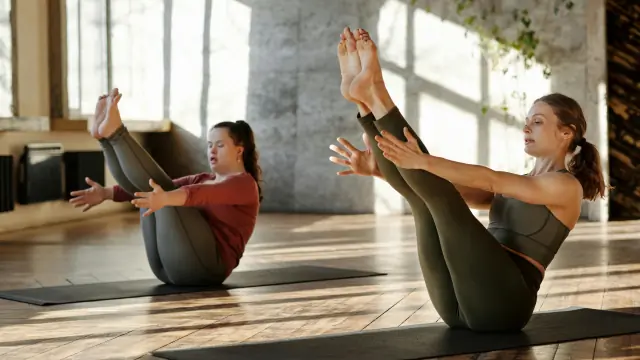
If you think balance means not wobbling, you’re missing the point entirely.
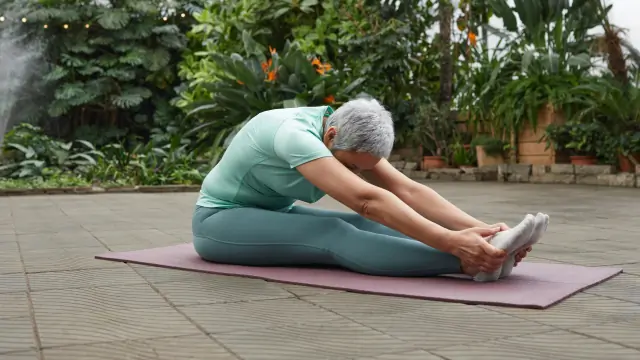
Pushing harder into stretches actually makes you tighter, while learning to relax unlocks flexibility you didn’t know you had.