
Understanding Props and When to Actually Use Them
Props aren’t training wheels for beginners, they’re tools that make your practice more effective when used correctly.
Lees meer…
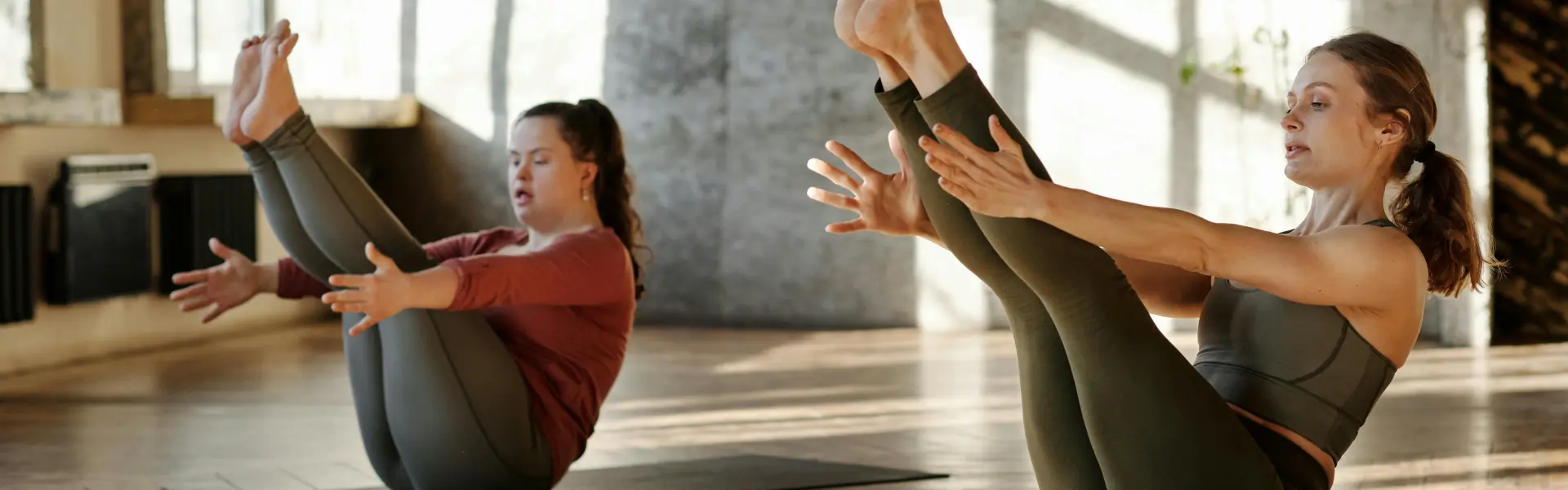
Watch someone with good balance and you’ll notice something surprising. They’re not rigid. They’re not locked in place. They’re making tiny adjustments constantly, swaying slightly, breathing naturally. Beginners think balance means becoming a statue, but that’s backwards. Balance is dynamic. It’s your body’s ability to make continuous small corrections to keep you stable.
Your balance system relies on three sources of information: your vision, your inner ear, and proprioception (your body’s sense of where it is in space). When you first try tree pose or warrior three, you’re asking these systems to work together in unfamiliar ways. Your brain is processing new data and learning new patterns. The wobbling isn’t failure. It’s learning in action.
This is why closing your eyes during balance poses makes them exponentially harder. You’ve just eliminated one-third of your sensory input. But here’s the thing: practicing with eyes closed (once you’re stable with eyes open) actually strengthens your balance faster. You’re forcing your proprioception and vestibular system to do more work. Start with something simple like standing on one foot with eyes open, then progress to eyes closed as you improve.
Your foundation matters more than you realize. Look at your standing foot during a balance pose. Are your toes gripping the mat like claws? That’s wasted energy and creates instability. Instead, spread your toes wide and press down through all four corners of your foot: big toe mound, little toe mound, inner heel, outer heel. This active foot creates a stable base that makes everything else easier.
Your gaze point, or drishti, is another game changer. Pick one spot at eye level and don’t move your eyes from it. Not sort of looking at it. Actually lock your gaze there. When your eyes wander, your attention wanders, and your balance goes with it. This single adjustment will improve your balance poses immediately.
Here’s what to practice: start with basic one-legged standing. Hold for 30 seconds on each side, focusing on your foundation and your gaze. Once that feels solid, add small movements like lifting your arms or turning your head slightly. You’re teaching your body to maintain stability even when conditions change. That skill translates directly to more complex poses.
Balance improves faster than you’d expect if you practice it regularly. A few minutes every day beats an hour once a week. Your nervous system adapts quickly to consistent challenges, so make balance work part of your routine and watch how much steadier you become.
Props aren’t training wheels for beginners, they’re tools that make your practice more effective when used correctly.
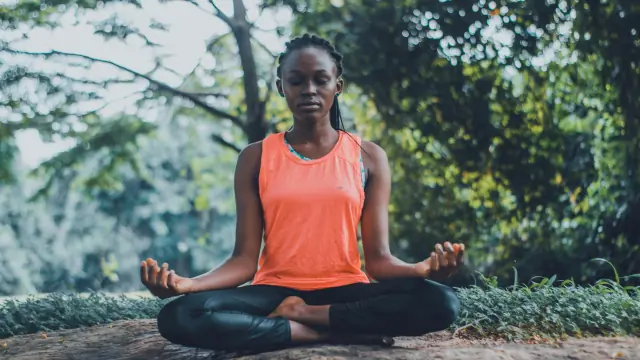
Learning to breathe properly during yoga will transform your practice more than nailing that complicated pose ever will.
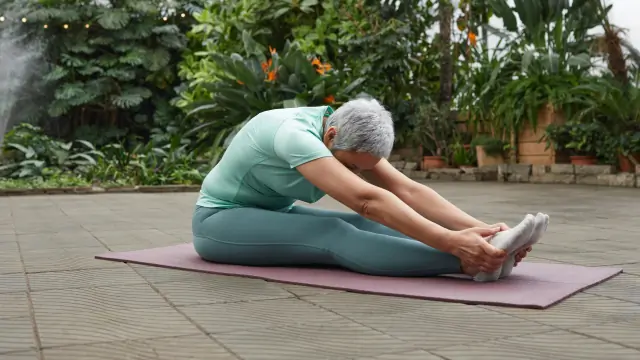
Pushing harder into stretches actually makes you tighter, while learning to relax unlocks flexibility you didn’t know you had.