
Eating for Practice: Pre- and Post-Yoga Snacks
Traditional yoga calls for an empty stomach, but modern schedules demand a more practical approach to fueling your practice.
Read more…

Walk into any yoga studio and you’ll hear conflicting nutritional advice. Someone swears by veganism. Another person does keto. Someone else is raw till four. The truth is there’s no single yoga diet, but there are principles that matter if you want your nutrition to support rather than hinder your practice. What you eat affects your energy levels, your flexibility, your recovery, and your mental clarity. Get it right and your practice improves. Get it wrong and you’re fighting your own body.
Timing matters as much as content. You already know not to eat a big meal right before practice, but the optimal window is actually two to three hours of fasting before you step on the mat. This gives your body time to digest and shift out of rest-and-digest mode into a state where energy is available for movement. If you practice first thing in the morning, that empty stomach we talked about in traditional practice isn’t just spiritual. It’s practical. Your body performs better without food weighing it down.
Hydration is non-negotiable but misunderstood. You need consistent water intake throughout the day, not gulping down a liter right before class. Proper hydration affects your fascia and connective tissue. When you’re chronically under-hydrated, your tissues are less pliable and more prone to injury. Drink water steadily from when you wake up. During practice, small sips only if needed. Chugging water mid-practice just sloshes around in your stomach and makes everything uncomfortable.
After practice, your nutrition window matters for recovery. Within an hour of finishing, get protein and carbohydrates into your system. Your muscles need amino acids to repair, and your glycogen stores need replenishing. This doesn’t mean you need protein shakes and supplements. Real food works fine. Eggs and toast. Greek yogurt with fruit. Lentil soup with rice. The specific foods matter less than hitting that post-practice window when your body is primed to absorb nutrients.
Anti-inflammatory foods make a measurable difference if you practice regularly. Turmeric, ginger, omega-3 rich fish, dark leafy greens, berries. Chronic inflammation from poor diet works against everything you’re trying to achieve on the mat. It reduces flexibility, slows recovery, and makes everything hurt more than it should. You don’t need a perfect diet, but shifting the balance toward whole foods and away from processed garbage pays dividends.
Here’s what actually sabotages practice: excess sugar causes energy crashes, too much caffeine makes you jittery and interferes with the calm focus yoga requires, alcohol dehydrates you and ruins sleep quality which affects recovery, and heavy processed foods create inflammation and digestive issues that make you feel sluggish. You don’t need to eliminate these things entirely, but be honest about how they affect your practice. If you feel like crap on the mat, look at what you ate in the previous 24 hours.
The most important principle is this: eat real food, mostly plants, not too much. You’ve heard it before because it works. Your body knows what to do with actual food. Vegetables, fruits, whole grains, legumes, nuts, quality protein sources. If your great-grandmother wouldn’t recognize it as food, your body probably struggles with it too. Simple nutrition consistently applied beats any complicated diet protocol.
Pay attention to how different foods make you feel during practice. Keep a food journal for a few weeks if you’re serious about optimizing this. You’ll start noticing patterns. Certain foods give you steady energy. Others make you foggy or sluggish. This self-knowledge is more valuable than any generic dietary advice because it’s specific to your body and your practice.
Traditional yoga calls for an empty stomach, but modern schedules demand a more practical approach to fueling your practice.
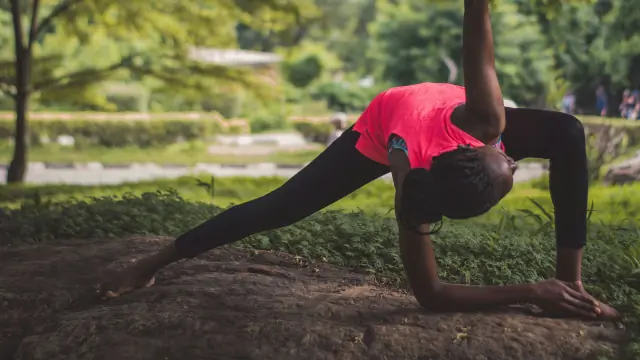
If you’re already fit but tight from running, lifting, or cycling, your yoga practice needs a different focus than most classes offer.
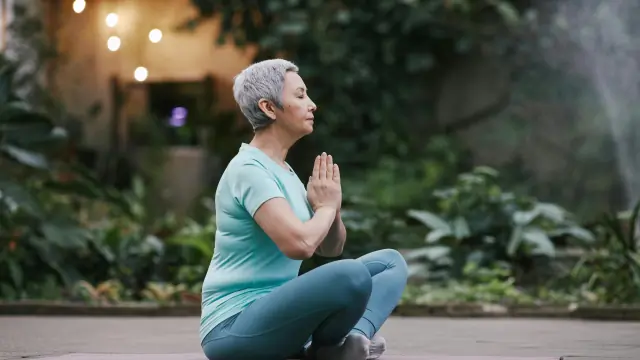
Progress stalls, poses regress, and motivation disappears, here’s how to handle it without quitting.