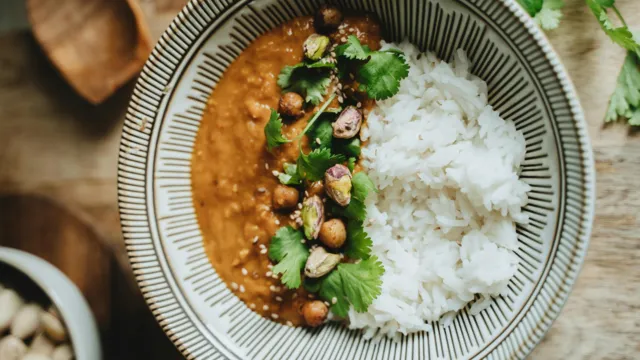
Eating for Your Practice: What Actually Fuels a Yoga Body
Yoga doesn’t require a specific diet, but what you eat directly affects how you feel on the mat and how quickly you progress.
Read more…

Traditional yoga philosophy suggests practicing on an empty stomach, ideally in the early morning before breakfast. This approach has merit. An empty stomach allows for deeper twists, easier inversions, and less distraction from digestion. For those who can maintain a consistent morning practice before eating, it’s worth trying.
But modern life doesn’t always cooperate with ancient wisdom. Many people practice after work, during lunch breaks, or whenever they can squeeze it in. Going into an evening class after eight hours of work with nothing in your stomach is a recipe for dizziness and frustration, not enlightenment. The key is finding a practical middle ground.
If eating before practice is necessary, timing and food choice matter. Ideally, have a regular meal two to three hours before class. If that’s not possible, a light snack 30 to 45 minutes beforehand works. Good options include a banana, half an apple with a small amount of nut butter, or a few dates. These provide quick energy without sitting heavy in the stomach. Avoid anything greasy, high in fiber, or dairy-heavy right before getting on the mat.
After practice, the body needs replenishment. This is when protein and healthy carbs become important for recovery. A smoothie with banana, greens, and protein powder is an easy option. Greek yogurt with berries, avocado toast, or hummus with vegetables and whole grain crackers all work well. The goal is to eat something nutritious within an hour of finishing practice.
The real lesson here is that yoga should fit into life, not the other way around. While practicing on an empty stomach might be ideal, it’s better to eat something light and actually make it to class than to skip practice entirely because the timing isn’t perfect. Pay attention to how different foods affect energy levels and digestion, then adjust accordingly. The practice is about listening to the body, and that includes knowing when and what to fuel it with.
Yoga doesn’t require a specific diet, but what you eat directly affects how you feel on the mat and how quickly you progress.

Props aren’t training wheels for beginners, they’re tools that make your practice more effective when used correctly.
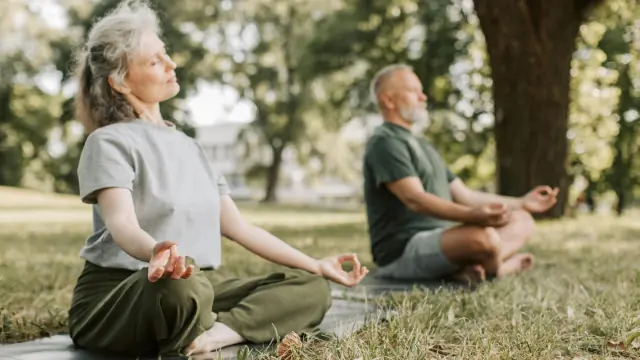
Couples yoga can strengthen your relationship or turn into a frustrating mess, depending on how you approach it.