
Understanding Props and When to Actually Use Them
Props aren’t training wheels for beginners, they’re tools that make your practice more effective when used correctly.
Read more…
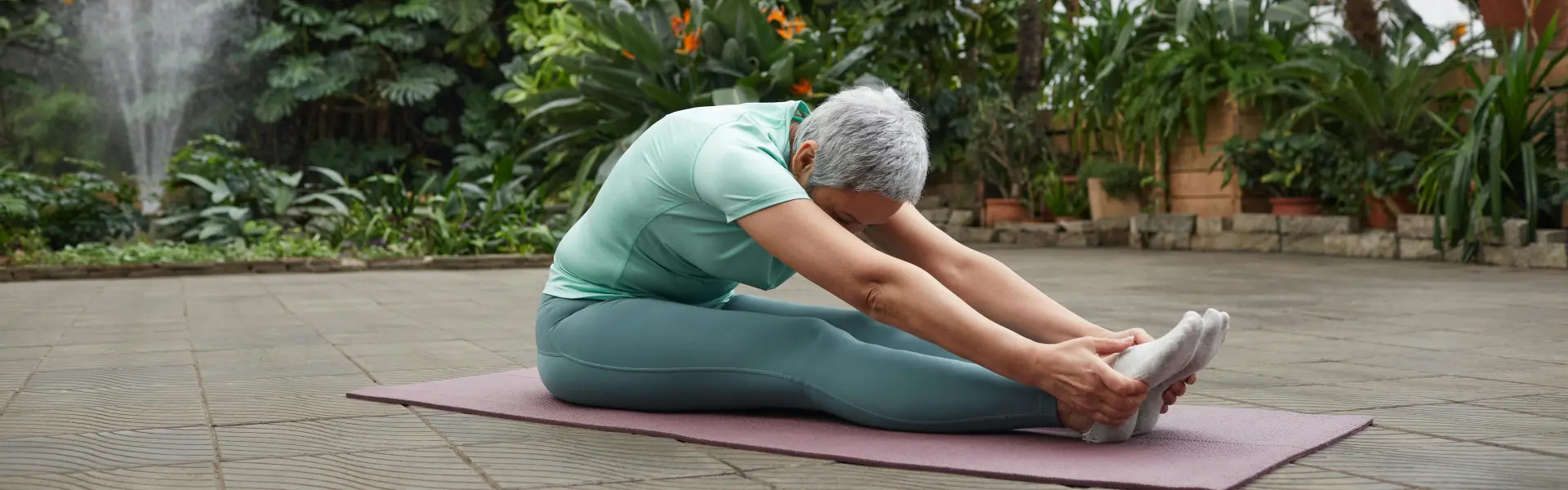
If you’re trying to touch your toes by gritting your teeth and shoving yourself forward, you’re working against your own body. This is one of the biggest mistakes beginners make in yoga. They think flexibility comes from force, from muscular effort, from just pushing through resistance. But your muscles have a built-in protection mechanism that tightens them up when they sense danger. Forcing a stretch triggers that alarm system.
Your body is smarter than you give it credit for. When you aggressively push into a stretch, your muscle spindles detect the rapid lengthening and send signals to contract and protect themselves. This is called the stretch reflex, and it’s why yanking yourself into a forward fold doesn’t work. You’re literally fighting your own nervous system. The muscle says no, you say yes, and nobody wins.
Relaxation does the opposite. When you breathe slowly and settle into a pose without force, you’re telling your nervous system there’s no threat. Your muscles gradually release their protective grip. This is why you can sometimes sink deeper into a stretch after holding it calmly for 30 seconds. You haven’t suddenly become more flexible. You’ve just convinced your body to stop resisting.
Think about the difference between cold and warm muscles. Cold muscles are tight and resistant. Warm muscles are pliable and cooperative. The same principle applies to your mental state. A tense, frustrated mind creates a tense, resistant body. A calm, patient mind allows your body to open up. This isn’t mystical nonsense. It’s basic physiology.
Here’s what this looks like in practice. Get into a seated forward fold, but only go as far as you can while breathing normally. Not where you think you should be. Not where the person next to you is. Just where you can breathe. Stay there. Soften your shoulders. Unclench your jaw. With each exhale, see if you can release a tiny bit more tension without pushing. This is active relaxation, and it’s a skill you build over time.
The flexibility you develop this way is also more stable and sustainable. When you force flexibility, you risk injury and the gains disappear quickly. When you earn it through relaxation, your nervous system adapts along with your muscles. The changes stick because your body actually feels safe in these new ranges of motion.
Be patient with yourself and trust the process. Relaxation might feel passive, but it’s actually the most effective tool you have for opening up your body. Let go of the struggle and watch what happens.
Props aren’t training wheels for beginners, they’re tools that make your practice more effective when used correctly.
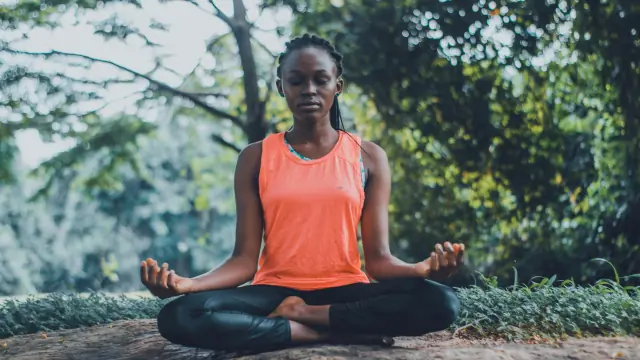
Learning to breathe properly during yoga will transform your practice more than nailing that complicated pose ever will.
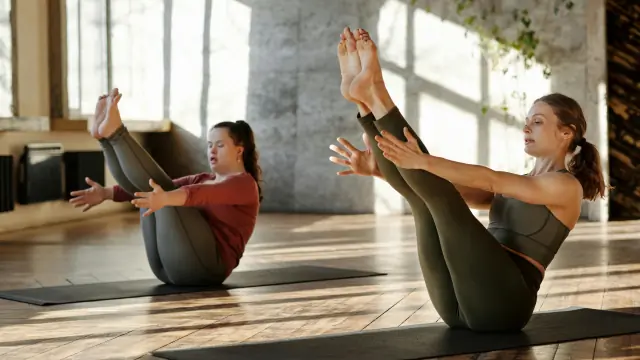
If you think balance means not wobbling, you’re missing the point entirely.