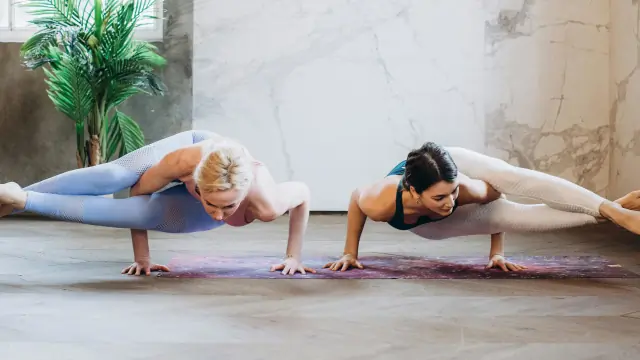
Beyond the Basics: Taking Your Balance to the Next Level
You can stand on one foot just fine, but real balance mastery means moving with control and exploring your edges.
Read more…
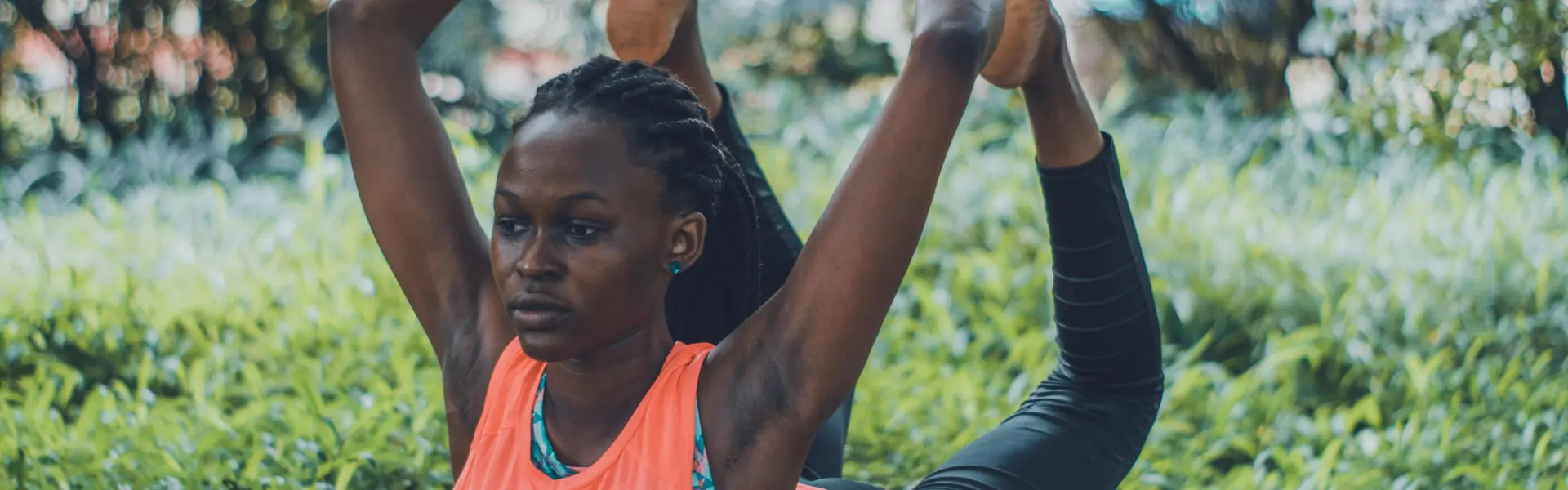
Most alignment mistakes don’t cause immediate pain. They create subtle stress patterns that accumulate over months or years until something starts hurting. By then you’ve practiced the wrong pattern thousands of times and your body thinks that’s normal. Catching these errors early saves you from chronic issues later. Here are the most common ones that show up in almost every class.
Knees caving inward in standing poses is everywhere. Warrior two, chair pose, even downward dog when you step forward. Your knee should track over your middle toes, not collapse toward your big toe. This misalignment stresses your knee joint and weakens your hip stabilizers. Fix it by actively pressing your knee outward and engaging your outer hip. It should feel like work in your glutes.
Dumping into your lower back during backbends feels like you’re getting a deeper stretch, but you’re just compressing your lumbar spine. Real backbends come from your thoracic spine and hip flexors opening, not from crunching your lower back. Engage your core and glutes to protect your spine. If you can’t backbend without lower back pain, you’re doing it wrong.
Cranking your neck to look up in poses like warrior one or upward dog strains your cervical spine. Your neck should be a neutral extension of your spine, not hyperextended because you think you’re supposed to look at the ceiling. If looking up requires effort or causes discomfort, keep your gaze forward or slightly up instead.
Locking out your joints, especially elbows and knees, transfers load from muscles to ligaments. Your muscles should be doing the work, not your joint structures. Keep a micro-bend in your elbows in plank and downward dog. Keep your knees soft in forward folds. This protects your joints and keeps the right muscles engaged.
Shoulders creeping up toward your ears happens in almost every pose, especially ones that require arm strength. Your shoulders should be down and back, creating space in your neck. If you’re in side plank or chaturanga and your shoulders are up by your ears, you’re setting yourself up for neck and shoulder problems.
Rolling to the outer edges of your feet in standing poses weakens your arches and throws off your entire kinetic chain. Press down through your big toe mound. Lift your inner arches. This creates a stable foundation that affects everything above it. If your feet are collapsing, your knees, hips, and spine are compensating.
These fixes might make poses feel harder at first. That’s because you’re finally using the right muscles instead of taking shortcuts. Correct alignment requires more strength and awareness, but it’s what makes yoga sustainable long-term. Film yourself or practice in front of a mirror occasionally. You’ll catch things you never noticed before.
You can stand on one foot just fine, but real balance mastery means moving with control and exploring your edges.
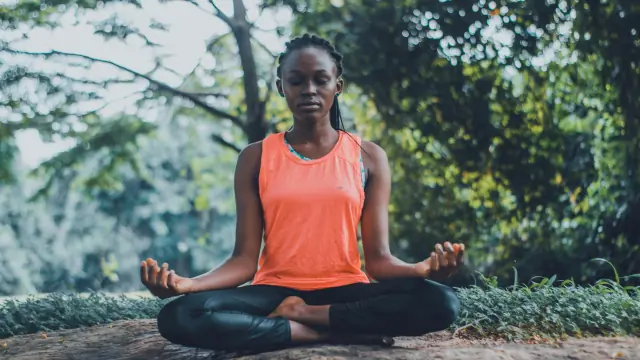
Learning to breathe properly during yoga will transform your practice more than nailing that complicated pose ever will.
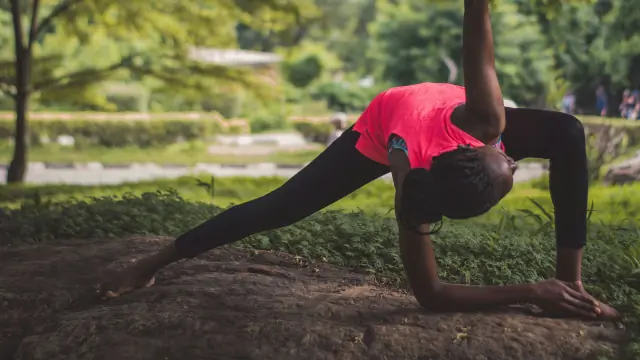
If you’re already fit but tight from running, lifting, or cycling, your yoga practice needs a different focus than most classes offer.