
Understanding Props and When to Actually Use Them
Props aren’t training wheels for beginners, they’re tools that make your practice more effective when used correctly.
Read more…
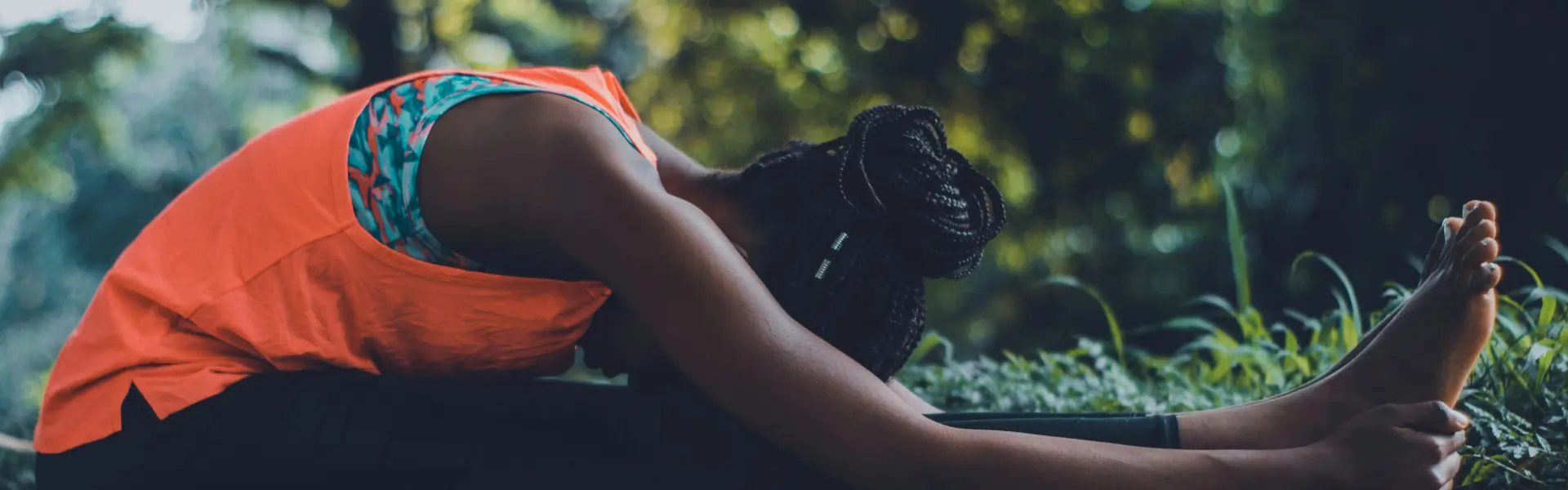
New students always ask this question, and instructors give maddeningly vague answers like “listen to your body” or “stay as long as it feels right.” That’s not helpful when you have no idea what your body is supposed to be telling you. The truth is that hold time depends on what kind of pose you’re doing and what you’re trying to achieve, but there are some useful guidelines to get you started.
For most basic standing poses and flows, 30 seconds to one minute per side is a solid baseline. This gives your body enough time to settle into the shape, find your alignment, and breathe through the initial discomfort without overdoing it. You’re building familiarity with the poses and teaching your muscles the movement patterns. If you’re shaking or your breath becomes ragged before 30 seconds, the pose is probably too advanced or you need to modify it.
Passive stretches like seated forward folds or supine twists can be held longer, anywhere from one to three minutes. These aren’t about muscular effort. You’re waiting for your nervous system to relax and your tissues to gradually release. The first 30 seconds is just your body deciding whether this is safe. The real opening happens after that, which is why rushing through gentle stretches defeats the purpose.
Balance poses are different again. Start with whatever you can manage, even if it’s only 10 seconds. Your goal is to build up gradually. Add five or ten seconds each week. Unlike strength or flexibility work, balance improves through consistent repetition more than through pushing to failure. Five wobbly attempts at tree pose teaches your nervous system more than one long struggle.
Here’s how to tell if you’ve held long enough: you should feel worked but not destroyed. Some discomfort is normal and necessary. That’s your body adapting. But if you’re in pain, if you’re holding your breath, if your form is completely falling apart, you’ve stayed too long. There’s a difference between the productive discomfort of effort and the counterproductive discomfort of forcing something your body isn’t ready for.
The mental aspect matters too. Part of what you’re training in yoga is the ability to stay present with discomfort. If you bail out of every pose the second it gets challenging, you’re not building that capacity. But if you’re gritting your teeth and suffering, you’re probably past the point of useful training and into the territory of just being stubborn.
Start conservative and build gradually. It’s better to hold for less time with good form and steady breathing than to collapse in a heap trying to match someone else’s duration. Your hold times will naturally increase as your practice develops.
Props aren’t training wheels for beginners, they’re tools that make your practice more effective when used correctly.
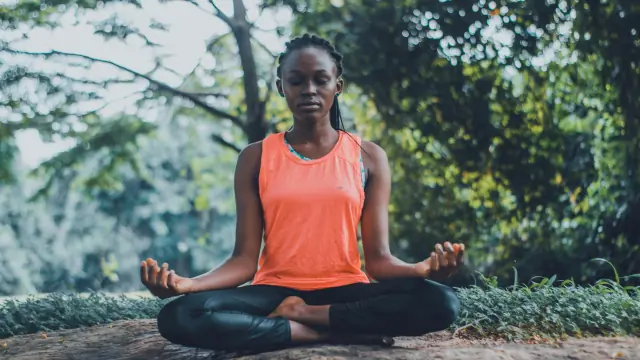
Learning to breathe properly during yoga will transform your practice more than nailing that complicated pose ever will.
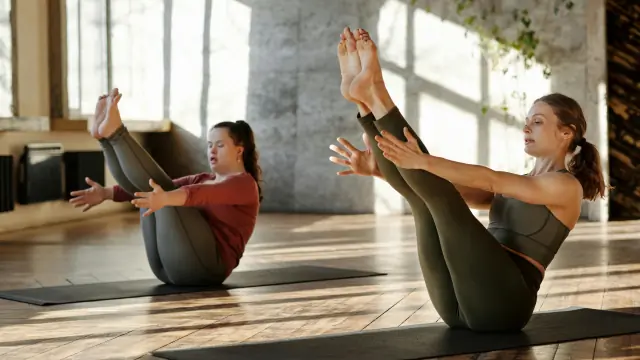
If you think balance means not wobbling, you’re missing the point entirely.