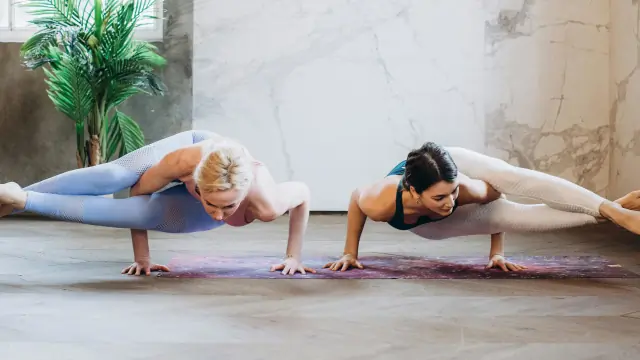
Beyond the Basics: Taking Your Balance to the Next Level
You can stand on one foot just fine, but real balance mastery means moving with control and exploring your edges.
Read more…
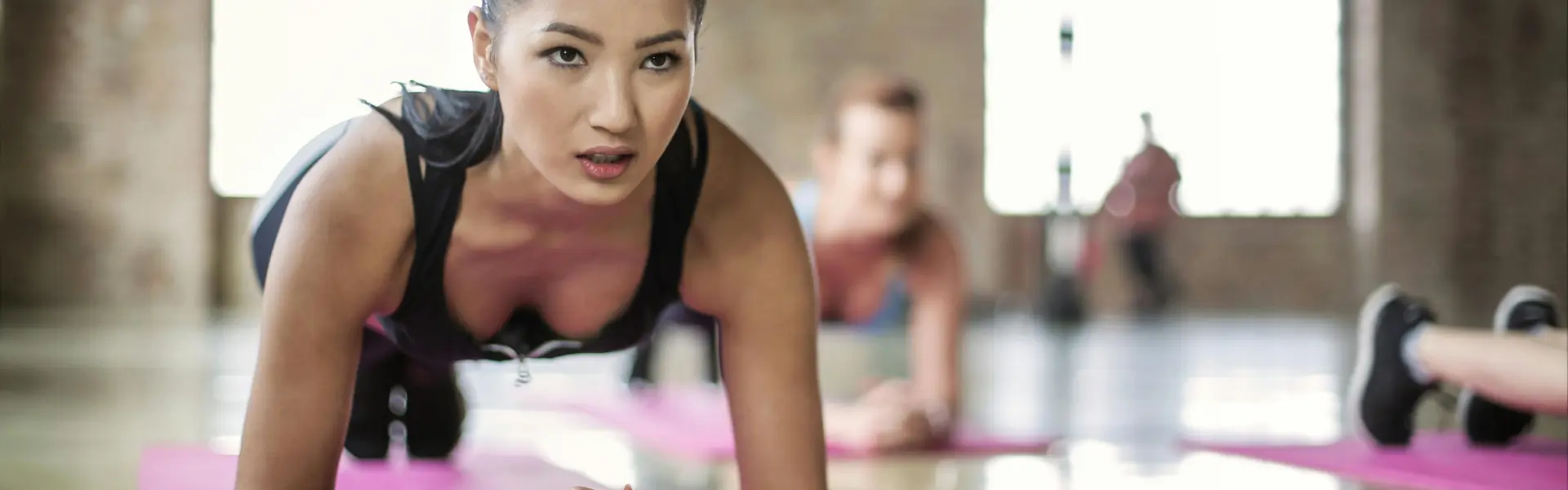
When people think core work, they think abs. Six-pack muscles. Crunches and sit-ups. But your core in yoga terms includes everything from your ribs to your hips, front and back. Abs, obliques, lower back muscles, hip flexors, glutes. All of it works together to stabilize your spine and transfer force between your upper and lower body. Weak core means wobbly balance poses, collapsing backbends, and compensation patterns that lead to injury.
Plank and its variations are foundational but most people do them wrong. Your body should be one straight line from head to heels. If your hips sag, your core isn’t engaged enough. If your hips pike up, you’re making it easier and missing the point. Hold proper plank for 30 seconds, rest, repeat. Add side planks to work your obliques. These static holds build endurance in the muscles that keep you stable.
Boat pose is brutal and effective. Sitting with your legs lifted and torso reclined, holding that V-shape, trains your hip flexors and deep abdominal muscles simultaneously. Start with knees bent if straight legs are too much. Hold for 30 seconds, rest, do it again. Your core will burn. That’s adaptation happening.
Hollow body hold comes from gymnastics but translates perfectly to yoga. Lie on your back, press your lower back into the floor, lift your shoulders and legs slightly off the ground. Hold this position. It teaches you what true core engagement feels like and builds the strength for arm balances and inversions.
Bird dog teaches core stability while moving, which is more functional than static holds. On hands and knees, extend opposite arm and leg while keeping your hips level and spine neutral. The challenge is maintaining stability while your base of support changes. This directly transfers to balance poses and transitions.
Your lower back needs strength too, not just your abs. Locust pose, where you lie face down and lift your chest and legs, builds the posterior chain. Superman holds do the same thing. A strong back balances out front body work and protects your spine in backbends and forward folds.
Integration matters more than isolation. Your core shouldn’t just be strong in dedicated core exercises. It should activate automatically in every pose. When you’re in warrior three, your core is what keeps you from folding in half. In headstand, it’s what keeps your legs controlled. In twists, it’s what protects your spine. Practice engaging it consciously until it becomes unconscious.
Stop treating core work as punishment or something separate from your practice. It’s the foundation that makes everything else possible. Dedicate ten minutes twice a week to focused core training and watch how it changes your entire practice within a month.
You can stand on one foot just fine, but real balance mastery means moving with control and exploring your edges.
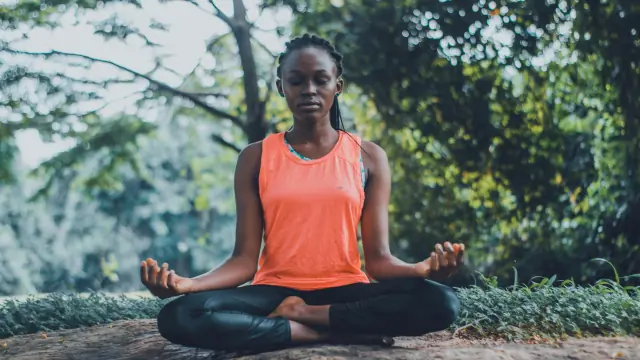
Learning to breathe properly during yoga will transform your practice more than nailing that complicated pose ever will.
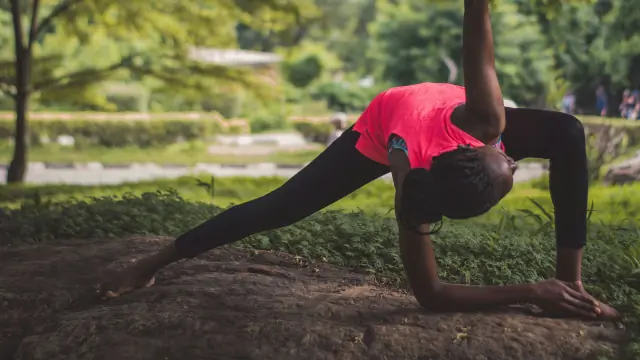
If you’re already fit but tight from running, lifting, or cycling, your yoga practice needs a different focus than most classes offer.