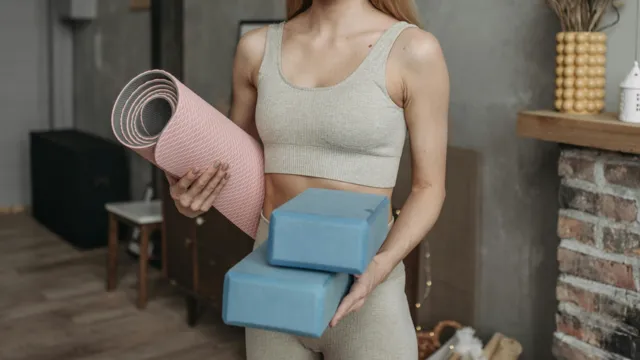
Understanding Props and When to Actually Use Them
Props aren’t training wheels for beginners, they’re tools that make your practice more effective when used correctly.
Read more…
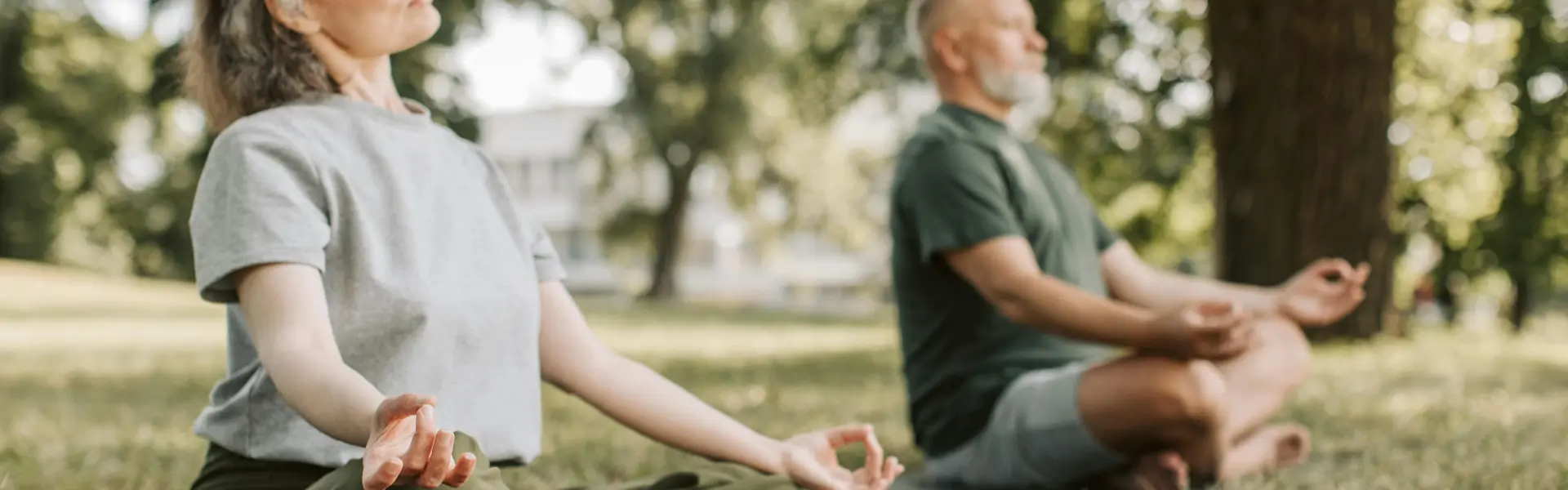
Practicing yoga with your spouse sounds romantic in theory. Shared activity, quality time together, mutual support. In reality, it often becomes a source of tension if you’re not careful about how you set it up. One person is more flexible. The other is stronger. Someone gets competitive. Someone feels judged. These dynamics can poison what should be a positive shared experience. But done right, practicing together can actually deepen both your relationship and your individual practices.
Start by accepting that you’re at different levels and that’s completely fine. If one of you has been practicing for years and the other is a beginner, don’t try to practice the same sequences at the same intensity. The advanced practitioner needs to either scale down significantly or accept that some practices will be solo. Trying to keep pace with someone far ahead of you leads to injury and frustration. Being held back by someone who can’t keep up breeds resentment. Be honest about the gap and work with it rather than pretending it doesn’t exist.
Separate practices in the same space can work better than trying to do everything together. Set up two mats and practice your own sequences side by side. You’re sharing the experience and the energy without the pressure of matching each other. You can still start and end together, maybe do some breathing exercises as a pair, but the middle portion is your own. This gives you the connection without the conflict.
Partner poses can be valuable but need the right approach. Poses where you support each other’s weight or provide resistance for deeper stretches work well if both people communicate clearly. But these require trust and attention. If someone is on their phone mentally or rushing through it, partner work becomes unsafe. You need to be genuinely present with each other. Used properly, partner poses teach you about communication, trust, and paying attention to someone else’s limits and not just your own.
Don’t turn practice into teaching unless your partner explicitly asks for instruction. Nothing kills the mood faster than unsolicited corrections about alignment or form. If you’re the more experienced practitioner, resist the urge to fix your partner’s poses unless they specifically request feedback. They’re not your student. They’re your spouse. Let them practice their way and save the teaching for actual teachers.
Practicing together works best when it’s about shared experience rather than performance. Light a candle. Put on music you both like. Do a gentle evening practice focused on relaxation rather than achievement. Forward folds, twists, hip openers, restorative poses. Nothing competitive or comparative. Just two people unwinding together at the end of the day. This kind of practice builds connection because it’s not about who can do what.
Schedule is often the biggest obstacle. If your work hours or energy levels don’t align, forcing joint practice creates stress rather than relieving it. Maybe weekends work better than weekdays. Maybe one morning practice together per week is realistic while the rest are solo. Figure out what actually fits your lives instead of what sounds ideal. A sustainable once-a-week practice together beats an ambitious daily plan that collapses after two weeks.
The goal isn’t to become yoga partners who do everything together. The goal is finding ways that yoga can be a shared part of your relationship without creating new sources of conflict. Sometimes that means practicing together. Sometimes it means respecting that you each need your own practice. Both are fine. What matters is that yoga adds to your relationship rather than complicating it.
Props aren’t training wheels for beginners, they’re tools that make your practice more effective when used correctly.

Traditional yoga calls for an empty stomach, but modern schedules demand a more practical approach to fueling your practice.
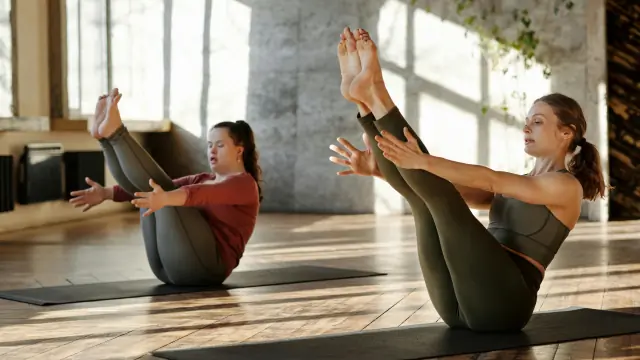
If you think balance means not wobbling, you’re missing the point entirely.